


Every year I look forward to the blooming of the peonies in my yard. Not just beautiful, they are sentimental. We have hot pink and white peonies that are descendants of the farm I grew up on in North Dakota. My husband has planted them in the several places we have lived in the Philadelphia area, and they have luckily always done well. They are a little piece of my childhood that allows me to enjoy tripping down memory lane every May.
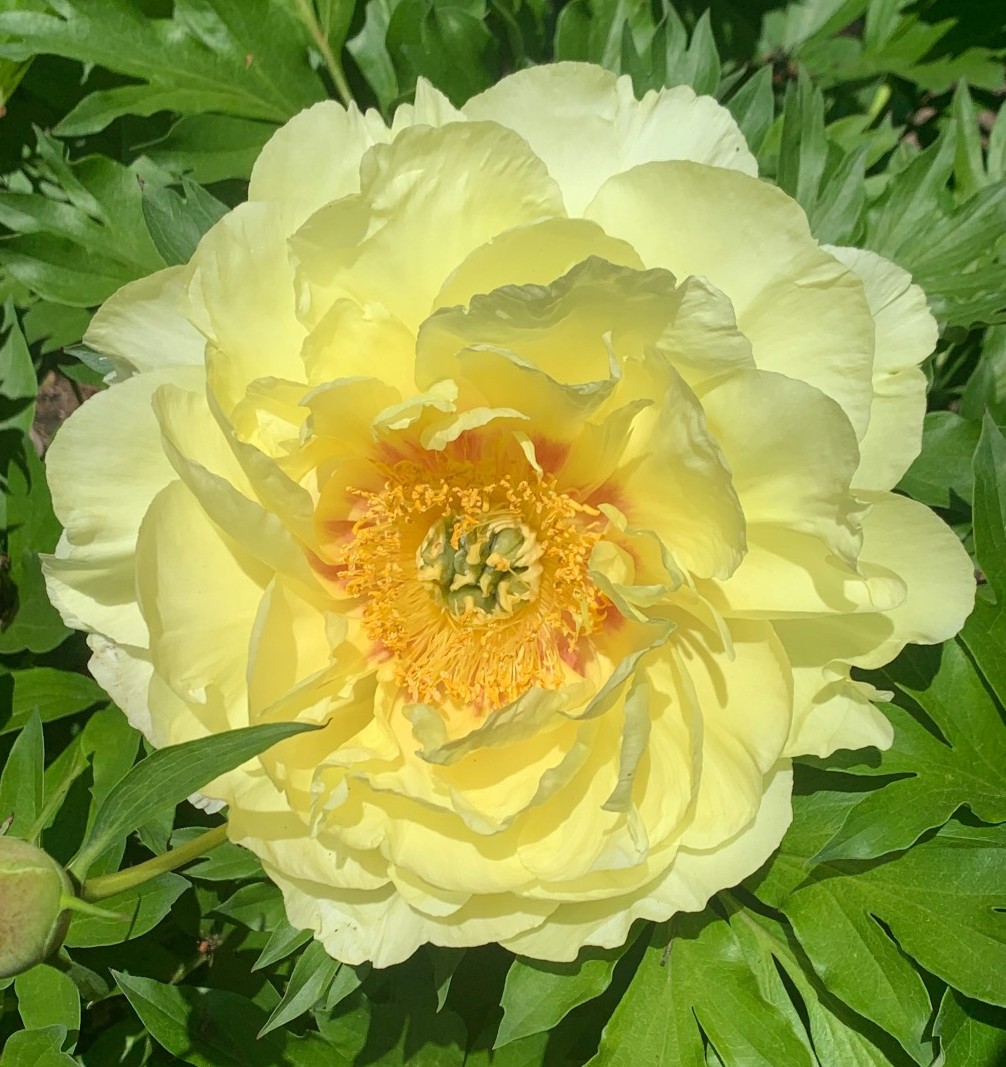
We also have a giant dinnerplate yellow peony that came from Costco and is quite amazing, as well as a newer planting of blush pink peonies that are just a little bit behind the others and allow us to extend our peony appreciation for a few additional weeks. We have but a few of the over 6,500 varieties available in the world!
But every year, they bloom and are absolutely brilliant for a week or so, but we inevitably get powerful rainstorms in May.......almost notoriously Memorial Day weekend to the frustration of the BBQ/camping crowd. Following those rains, we are inundated by soggy peony petals on the ground.......hoping the few remaining buds stay dry and give us a few more weeks.
But this year, I'm determined to get a little more out of my peony plants.

I collected petals for drying as soon as the bloom started to turn in order to enjoy them beyond the season. As a result, I went down a rabbit hole of discovering all the potential uses of dried peonies. Come along with me to learn about all their uses and the tidbits of interesting learnings from all my wanderings!
The name "peony" comes from Greek mythology. It is derived from Paeon, who was a student under Asclepius, the god of medicine. In one legend, Paeon used a peony to heal a wound on Zeus. Asclepius then became jealous of his clever pupil and wanted to kill him, but Zeus rescued the student by changing him into a peony flower.

The peony has been associated with healing properties since ancient times. Over 200 compounds have been identified from the peony, and it has been found to have a number of medicinal effects. The most studied compound is Paeoniflorin - a monoterpene glycoside with anti-inflammatory, antispasmodic, analgesic, and neuroprotective properties. But peonies also contains flavonoids, tannins, and anthraquinones that are bioactive.
In Europe, medieval monks grew them in their healing herb gardens, and the peony was used to ward off evil forces. The seeds steeped in hot wine were believed to prevent nightmares or strung onto necklaces to ward off either evil spirits or madness. The plants were often grown near the door of cottages to protect the home from any curses or bad energy.
Remember the English herbalist Culpepper from my last post on Herbal Salves, the author of The Complete Herbal? He stated the ‘male’ peony could cure falling sickness (old terminology for epilepsy) and the ‘female’ peony could help prevent 'melancholy dreams'. It's highly entertaining to read his entries as they sound like a scene from Harry Potter where Hermione might be reading a recipe for class. An example for Syrup of Peony:
Take of the Roots of both sorts of Peony taken up at the full Moon, cut in slices, and steeped in white Wine a whole day, of each an ounce and an half, Contra Yerva half an ounce, Siler Mountain six drams, Elk’s Claws an ounce, Rosemary with the flowers on, one handful, Bettony, Hyssop, Origanum, Chamepitys, Rue, of each three drams, Wood of Aloes, Cloves, Cardamoms the less, of each two drams, Ginger, Spikenard, of each a dram, Stœchas, Nutmegs, of each two drams and an half, boil them after one day’s warm digestion, in a sufficient quantity of distilled water of Peony roots, to four pounds, in which (being strained through Hippocrates’ sleeve) put four pounds and an half of white sugar, and boil it to a Syrup.
Quite a complicated concoction for back in the day!
They're edible
The blossoms, roots, and seeds of peonies are all edible, but the blossoms are most commonly used and have been so since medieval times. They can be used to either garnish a meat dish or salad or to add color and flavor to a summertime drink.
Or just add freeze some petals in ice cubes for a pretty cocktail garnish. You can also make jelly with the petals - I found a strawberry peony jelly that sounds delicious!

Brew for tea
Peony petals can also be brewed for tea, either alone or in a tea blend for a pop of color.
I did try the peony leaves tea on their own - it definitely needed a bit of honey for taste purposes. Can't say I would drink this alone unless aiming for a specific medicinal effect. But since it wasn't distasteful and the petals are beautiful and safe for tea, I decided to use mine to just create a more aesthetically pleasing tea mix. I blended with lemon balm and my mint blend but obviously any tea would benefit from a little colorful cosmetic lift. Mint blend, by the way, is my fancy way of saying I didn't label my mint when I dried it, so all unlabeled mint gets thrown together =). This mixture now tastes great AND looks pretty!


Body Products
Another easy way to use peony petals is within a bath salt or sugar scrub. I made a peony bath salt, mixing Himalayan course and fine pink salts, epsom salts, and peony petals in relatively equal parts. After combining the mixture, I put ~1/2 cup into a small mesh bag and packaged it with a couple more 'doses' for refills. This would make an easy project for kids or Christmas gifts.


You could also incorporate in a salve or lotion. I added peony petals to olive oil to make a herbal infusion ready for salve or lip balm. Peonies have become a trendy ingredient in commercial products due to the compound paeoniflorin mentioned earlier, which has been suggested to reduce wrinkles.


So I'm very happy with the various ways to be able to extend the use and enjoyment of our peonies beyond the season. It eased the disappointment with their short bloom time and their susceptibility to dropping with big rainstorms.
It was really satisfying to just collect all the silky petals and enjoy their beauty inside as they were drying for the various projects, occasionally mixing and redistributing the petals to ensure no moisture so they dried completely.

One last bit of fun lore about the peony. They are said to attract fairies. There is both Celtic and Japanese lore about peonies attracting good spirits to your garden, which is then likely related to the common belief that peonies can protect the home from bad spirits. The woodpecker is said to be the peony's guardian, so if there is one in the area, you are instructed to seek permission to harvest from both the bird and plant. If using for magical purposes, you must gather them at night. Pliny the Elder, the ancient Roman naturalist who wrote on various medical topics, apparently said, “that of necessity it must be gathered in the night for if any man shall pluck the fruit in the daytime being seen of the woodpecker he be in danger of to lose his eyes“.
You have been forewarned people.
And one more super fun fact, as I just returned from my first trip to Alaska visiting the magnificent beauty of glaciers and the Denali and Kenai Fjords National Parks. The state is known for another source of magnificent beauty....did you know that Alaska has become an extremely successful and prolific producer of cut peonies thanks to its cool temperatures and extended hours of sunlight? Makes sense as we enjoyed essentially 21 hours of daylight during vacation, being able to take a little hike in what felt like early afternoon light at 10 pm one night. As peonies love exposure to the sun, Alaska is able to cultivate and harvest these flowers for longer periods of time, and the growing season runs all the way from late June to September. The things you learn when traveling down rabbit holes!


